
Last month I wrote about what happens when a 'what if' becomes a 'now what?'. Since then, life has offered me two more reminders of why this question matters so much.
The first, my father's stroke - I'm glad to say that he has now recovered well, exceeding all our expectations.
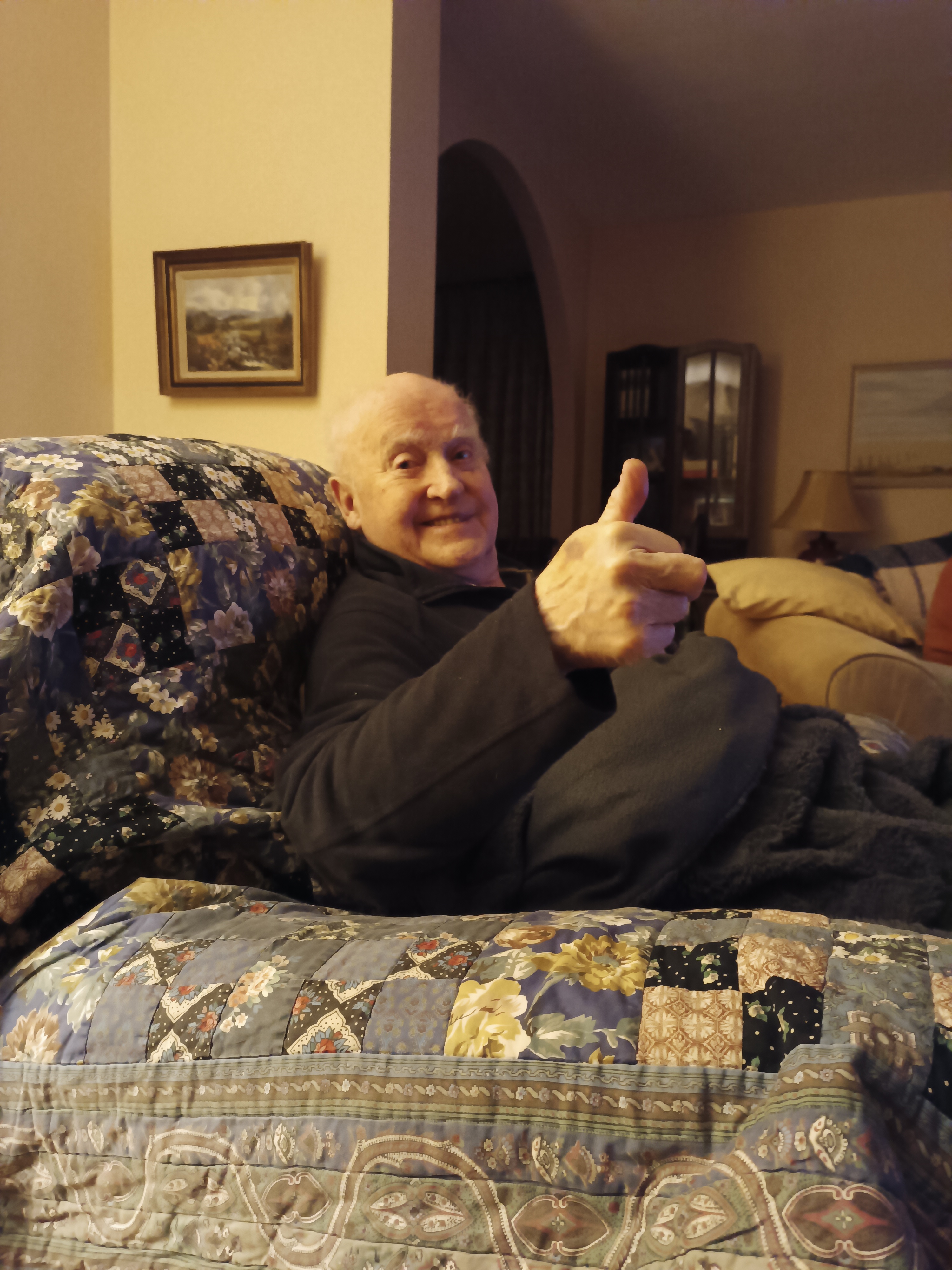
But something has stayed with me through that experience. In the days that followed his stroke, as we navigated the uncertainty and the worry, my father became anxious about his affairs. Had he sorted everything? Were his wishes clear? Would we know what to do? We were able to reassure him: yes, it's all in place. His advance plans are sorted. We know where everything is and what he wants. Even though he accepts our word, it is in the fear that something is forgotten that he is worrying. Since his initial stroke in 2014, anxiety has become his default mode, but now with the likelihood of further strokes, the immediacy of having everything prepared is really to the fore of all our minds.
Over the past month since my father's stroke, several people in my life have suffered loss and are in the midst of bereavement. Each has their own grief but also a different set of issues to address. This is why planning ahead is not about expecting the worst. It is about giving the people you love, and yourself, the gift of clarity when everything else feels uncertain.
The second reminder, was a twisted ankle over the Easter weekend.
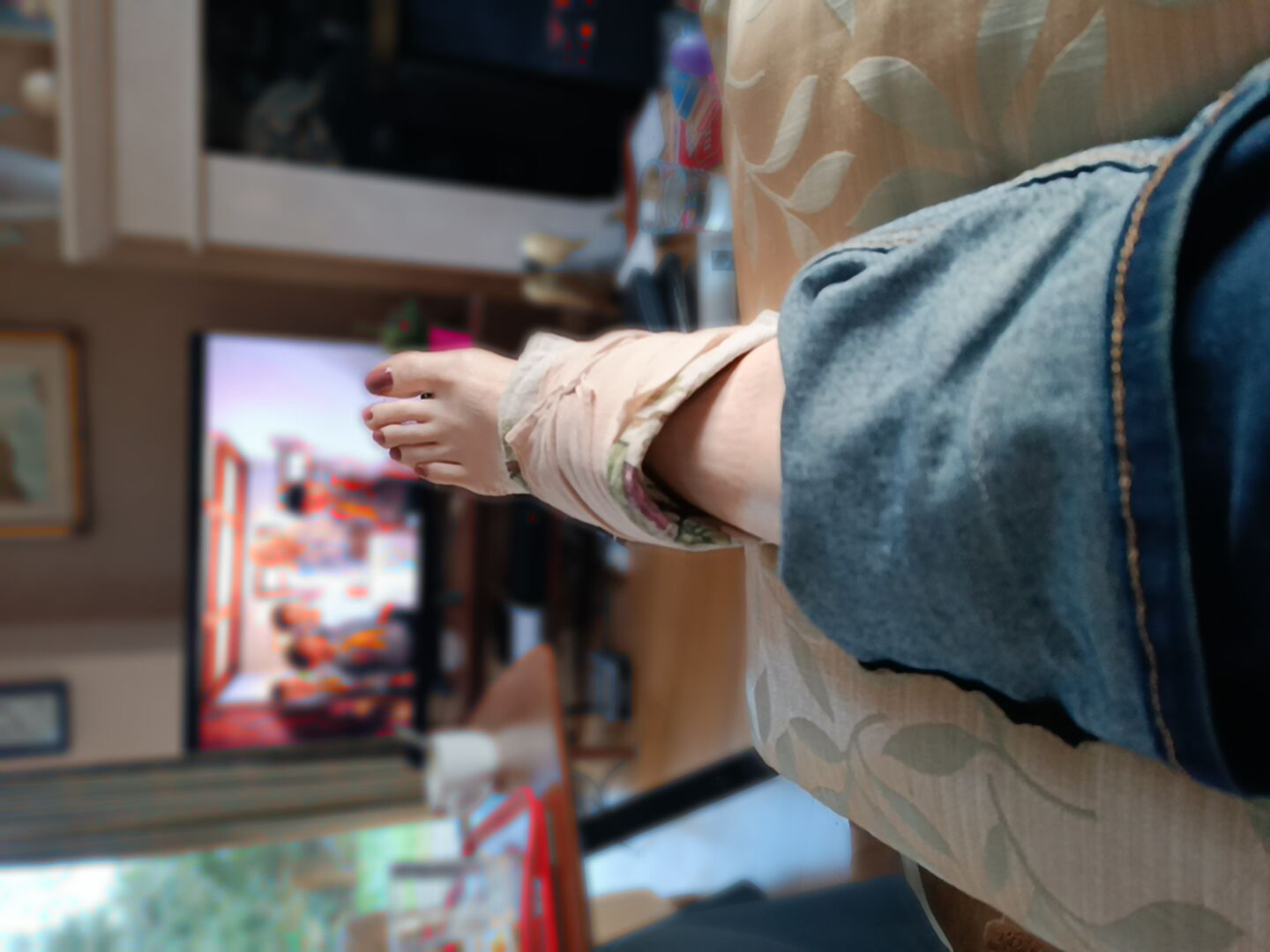
If one reminder wasn't enough, Easter Monday provided another, rather more undignified, one.
I twisted my ankle playing with my dog. Nothing dramatic. Nothing life-threatening. Just one of those ordinary, unplanned moments where the body reminds you it's not entirely under your control. I was laid up for a few days, slightly sheepish, and I'll admit it grateful that my own affairs are in order. What affairs would I need to have in order for a twisted ankle - well I couldn't walk or drive for several days, so even being able to support my parents was one issue, but also in supporting clients I was able to work from home, whilst also recover.
Because here's the thing: it doesn't take a stroke or a serious diagnosis to make you feel the gap between where you are and where you'd want to be if something happened. Sometimes it takes a dog, a patch of grass, and a moment of bad luck.
Planning isn't only for the big inevitable things. It's for all of life's curveballs, the ones we never see coming, the ones we couldn't possibly have predicted. And when they arrive, you want to be focused on recovering, not scrambling to catch up on the things you kept meaning to sort.
So... when will YOU be ready?
I've been asking people this question for years. And the honest answer, almost universally, is: not yet. Not quite. Soon.
We're waiting for the key areas of our focus to be resolved, which they amost never are - waiting for children to be a bit older and no longer needing us, for work to settle down. For a better moment. For the right time.
But the right time, I've learned, tends to be the moment just before the moment you needed it or just after the crisis occurred. Which means it has already passed.
The people I've worked with who feel most at peace, genuinely at peace, not just telling themselves they'll get to it, are not those who had perfect lives or no worries. They're the ones who decided, at some unremarkable moment on an ordinary day, to simply start.
Not to do everything at once. Just to find out where they stood. To name the gaps. To take one step.
Four steps to start — right now, this week
1. Define your 'what if' scenarios. Think about the practical things your loved ones would need to know or do if you couldn't be there. This isn't about fear, it's about clarity. What would they need to find? Who would they need to call?
2. Assign responsibilities. Decide who would manage certain tasks or access specific information. Giving a particular person a particular role creates clarity and removes the burden of guesswork from everyone.
3. Document everything clearly. Write down your wishes, your important contacts, and where to find your key documents. It doesn't need to be formal to be valuable — it just needs to exist somewhere someone can find it.
4. Review and update regularly. Life changes, and your plans should too. Build in a simple annual check - a birthday, a new year, a family gathering - to revisit and adjust.
I recently met with a couple in their late 70's and although they had a lot of their plans in place, they assumed their chosen executors would know what to do when the time came. Yet their executors didn't and this is why they wanted me there to help get clarity. Several conversations and clarifications has helped address this, but there is still more work to do.
Find out where your readiness stands in minutes
If you'd like somewhere to begin, somewhere that gives you an honest, personalised picture of where you actually stand, I have developed readiness assessments for your personal and professional guidance.
They take just a few minutes. They're free. And they will tell you something genuinely useful about the gap between where you are and where you'd want to be. You will receive a report straight to your email, to help give a clearer picture of what is yet to be done.
Two free readiness assessments. One for personal advance planning, one for organisational succession. Both give you a personalised score and practical next steps.
Advance Planning Readiness
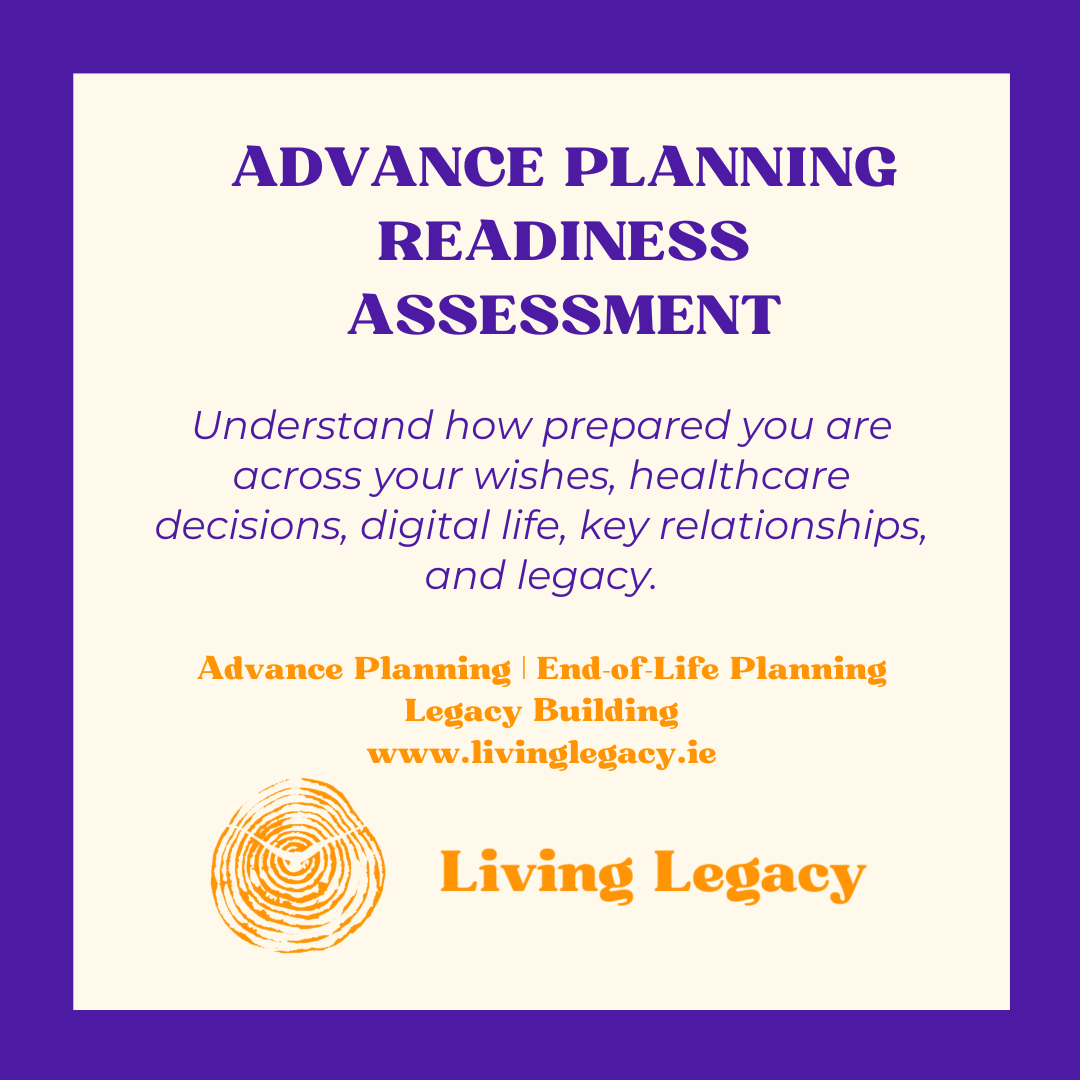
For your personal preparedness, take this 3 minute assessment to identify your readiness
Take the assessment → https://advanceplanning-readiness.scoreapp.comSuccession Readiness
For your organisation readiness - whether a business, non-profit, or community group - take this assessment to determine what is yet to be done for your team and your beneficiaries - https://succession-readiness.scoreapp.com
Take the assessment → https://succession-readiness.scoreapp.com
So whether you believe you are completely ready for any eventuality, or whether you don't know where to start, why not take the above assessments and get comfort knowing that you are taking steps towards getting peace of mind.
For any questions or feedback you may have please do reach out to me at [email protected]
Jen




Responses